Down Syndrome is a genetic condition that affects learning, movement, and development. Physiotherapy for Down Syndrome plays a key role in helping children and adults build strength, improve balance, and move more easily. With the right support, people with Down Syndrome can enjoy greater independence and a better quality of life. In this blog, you will learn about the benefits, techniques, and expert guidance for Down Syndrome physical therapy.
What is Down Syndrome?
Down Syndrome is a condition present from birth. It happens when a person has an extra copy of chromosome 21. Because of this, people with Down Syndrome may have slower physical and mental development. They might also have low muscle tone, loose joints, and delayed motor skills. However, with early support, they can reach many important milestones.
Why is Physiotherapy Important for Down Syndrome?
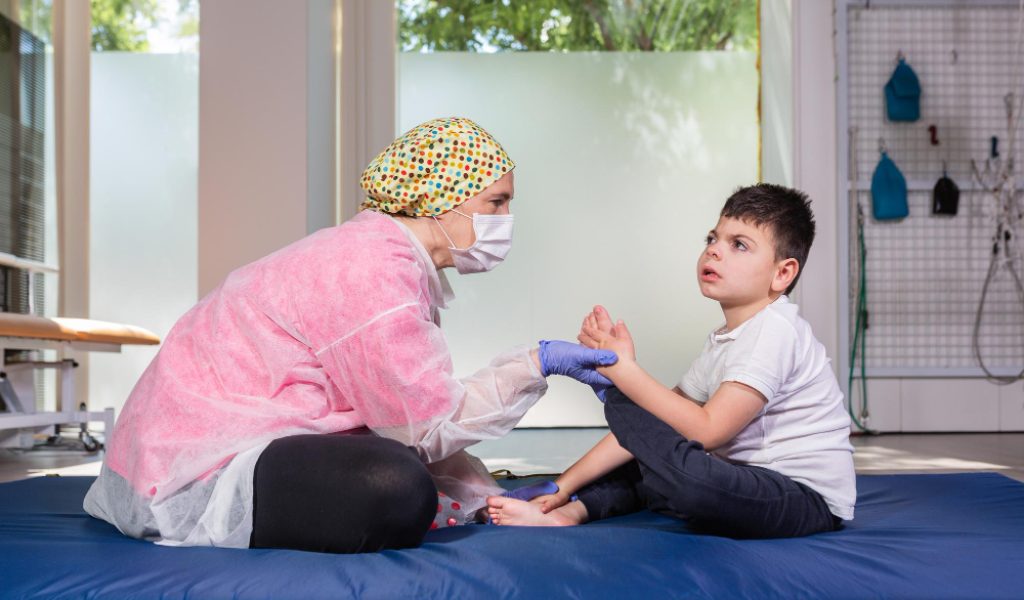
Physiotherapy for Down Syndrome children and adults is very important. First, it helps improve muscle strength and movement. Also, it supports better balance and posture. As a result, people can walk, run, and play more safely. In addition, physiotherapy helps prevent joint problems and injuries. According to the CDC, early therapy can boost confidence and social skills. For many families, these benefits make a big difference in daily life.
Common Physiotherapy Techniques
Physiotherapists use many methods to help people with Down Syndrome. Here are some common techniques:
Each plan is tailored to the person’s age and needs. For best results, therapists often work closely with families.
How Physiotherapy Improves Daily Life
With regular physiotherapy, people with Down Syndrome can move more freely. For example, they may find it easier to climb stairs or play with friends. In many cases, therapy helps children join in school activities. Adults may gain more independence at home and work. Because of these improvements, quality of life often increases. Families notice more smiles and confidence every day.
When to Start Physiotherapy
Early intervention is key. Experts recommend starting physiotherapy as soon as possible, even in infancy. At each stage, therapists use age-appropriate exercises. For babies, therapy may focus on head control and rolling. As children grow, new skills like walking and jumping are added. However, it is never too late to begin. Adults can also benefit from Down Syndrome rehabilitation at any age.
Tips for Families and Caregivers
Families play a big role in therapy success. Here are some helpful tips:
With support, progress can happen step by step.
Prevention and Safety
Safety is very important during physiotherapy. Always follow your therapist’s instructions. In addition, use safe spaces with soft mats or carpets for exercises. Make sure shoes fit well and provide good support. If you notice pain or discomfort, stop and ask your therapist for help. For families in cities, look for trusted physiotherapy centers in your area for expert care.
Conclusion
Physiotherapy for Down Syndrome offers many benefits, from better movement to greater independence. With the right techniques and support, children and adults can enjoy a fuller life. For the best results, consult a qualified physiotherapist for personalized guidance on Down Syndrome care.