
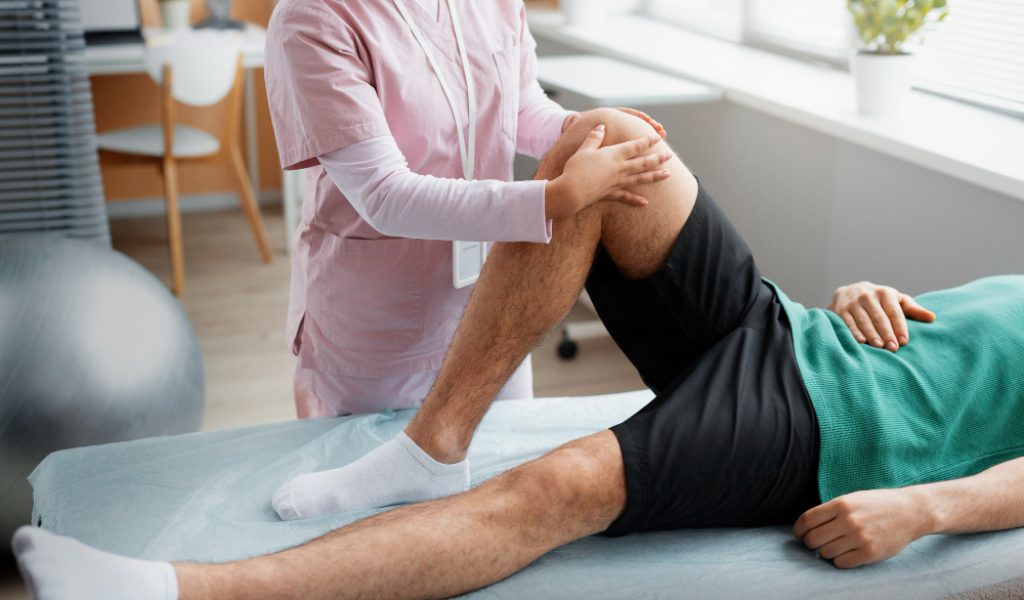
Healthy knees help you walk, run, and enjoy life. When your knees hurt, even simple tasks become hard. That’s why it’s important to heal your knees and move freely. In this blog, you’ll learn about knee pain, how to spot problems, and ways to keep your knees strong. Let’s explore how you can heal your knees and enjoy better mobility.
Common Causes of Knee Pain and Injury
Many people experience knee pain at some point. Often, this pain comes from injuries or wear and tear. For example, sports injuries, falls, or sudden twists can hurt your knee. Sometimes, knee pain develops slowly over time. This can happen due to arthritis, which is swelling and stiffness in the joint. Other causes include:
Because knee pain can have many causes, it’s important to find out what’s wrong early.
Recognizing Symptoms of Knee Problems
Sometimes, knee pain is mild. Other times, it can stop you from moving. But how do you know if your knee needs attention? Watch for these signs:
If you notice any of these symptoms, it’s wise to seek help. Early care can prevent bigger problems later.
Diagnosis: How Knee Issues Are Identified
Doctors use several ways to find out what’s wrong with your knee. First, they ask about your pain and how it started. Next, they check your knee’s movement and strength. Sometimes, they may order tests like:
Because each knee problem is different, a clear diagnosis helps guide the best treatment. According to the CDC, early diagnosis leads to better outcomes.
Effective Physiotherapy Treatments for Knee Healing
Physiotherapy is a proven way to heal knee pain and improve movement. In fact, many people recover without surgery. Physiotherapists use gentle exercises and stretches to build strength. They may also use:
With regular physiotherapy, most people see less pain and better knee function. The World Health Organization recommends physiotherapy for knee rehabilitation.
At-Home Exercises and Lifestyle Tips for Knee Health
Even at home, you can help your knees heal and stay strong. Try these simple tips:
Additionally, listen to your body. If pain gets worse, stop and seek advice. Small changes can make a big difference in knee mobility.
Preventing Future Knee Problems
Once your knees feel better, you’ll want to keep them healthy. Here are some ways to prevent knee pain in the future:
By taking care of your knees now, you can enjoy moving freely for years to come.
In summary, healthy knees are key for an active life. If you have knee pain, don’t wait. Consult a physiotherapist for personalized knee care and guidance.