Introduction
Dry needling for muscle tension & pain relief is a popular therapy. It uses thin needles to target tight muscles and trigger points. Many people ask how dry needling relieves muscle pain and if it is safe. This method can help reduce pain and improve movement. In recent years, more clinics offer dry needling for muscle pain. People often want to know about dry needling benefits and safety. In this blog, you will learn what dry needling is, how it works, and what to expect from the procedure.
What is Dry Needling?
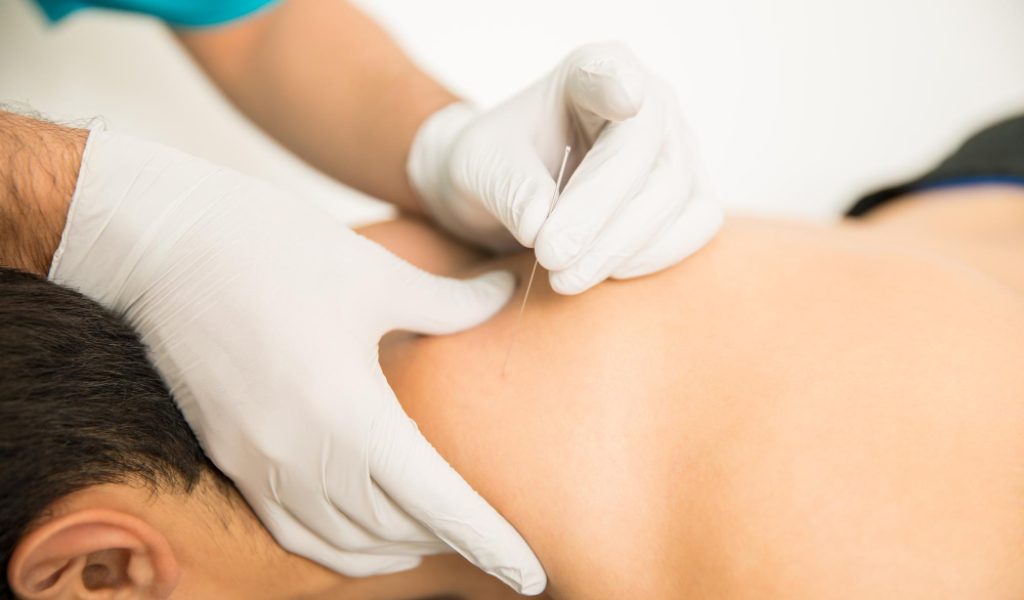
Dry needling is a treatment used by trained health professionals. It involves inserting very thin needles into tight or sore muscles. Unlike acupuncture, dry needling focuses on muscle knots, also called trigger points. These knots can cause pain and limit movement. Dry needling does not use any medicine in the needles. Instead, the needle itself helps relax the muscle and ease pain.
How Does Dry Needling Work for Muscle Tension & Pain Relief?
Dry needling works by targeting trigger points in your muscles. When a needle goes into a tight spot, it can help the muscle relax. As a result, blood flow improves, and pain often decreases. Sometimes, you may feel a small twitch in the muscle. This is normal and shows the treatment is working. Over time, dry needling can help reduce muscle tension and improve how you move. Many people notice less pain after just a few sessions.
Benefits of Dry Needling
Dry needling offers several benefits for people with muscle pain or tension. For example, it can:
Because it targets the source of pain, dry needling can be very effective. However, results may vary from person to person.
The Dry Needling Procedure: What to Expect
Before the procedure, your therapist will ask about your pain and health history. Next, they will find the tight muscles or trigger points. Then, they will clean the skin and insert thin, sterile needles into these spots. You may feel a quick pinch or a twitch in the muscle. Most sessions last between 15 and 30 minutes. Afterward, you might feel sore, but this usually goes away in a day or two. Many people feel better after a few treatments.
Safety, Risks, and Side Effects
Dry needling is generally safe when done by a trained professional. Still, like any treatment, it has some risks. Common side effects include:
Serious problems are rare. However, infection or injury can happen if the procedure is not done correctly. Therefore, always choose a licensed and experienced practitioner. The World Health Organization (WHO) and other health groups stress the importance of proper training for safety.
Who Can Benefit from Dry Needling?
Many people with muscle pain or tension can benefit from dry needling. For instance, it may help if you have:
However, dry needling is not for everyone. People with certain health conditions, such as bleeding problems or infections, should avoid it. Always talk to your doctor before starting any new treatment.
Tips for Choosing a Qualified Practitioner
To stay safe, it is important to choose a skilled practitioner. Here are some tips:
By choosing the right professional, you can lower your risk of side effects and get better results.
Prevention and Self-Care Tips
While dry needling can help, self-care is also important. To prevent muscle tension and pain, try these tips:
In addition, listen to your body and rest when needed. These steps can help keep your muscles healthy and reduce the need for treatments.
Conclusion
Dry needling for muscle tension & pain relief is a safe and effective option for many people. It can help reduce pain, relax tight muscles, and improve movement. However, it is important to choose a qualified practitioner and follow safety tips. If you have ongoing muscle pain, consult a licensed physiotherapist to find out if dry needling is right for you.